A Tale of Two Refits
The exhaust from the diesel heaters is in excess of 500° F. There are two heaters, so that means a minimum of two holes in the deck. However, the cold air intake should also come from outside (many boaters don't, but failure to do so creates negative pressure which then sucks cold air in from outside. Killing efficency.). The result is four holes in the top deck, each ~ 1 3/4" across to hold the thru hull fittings.
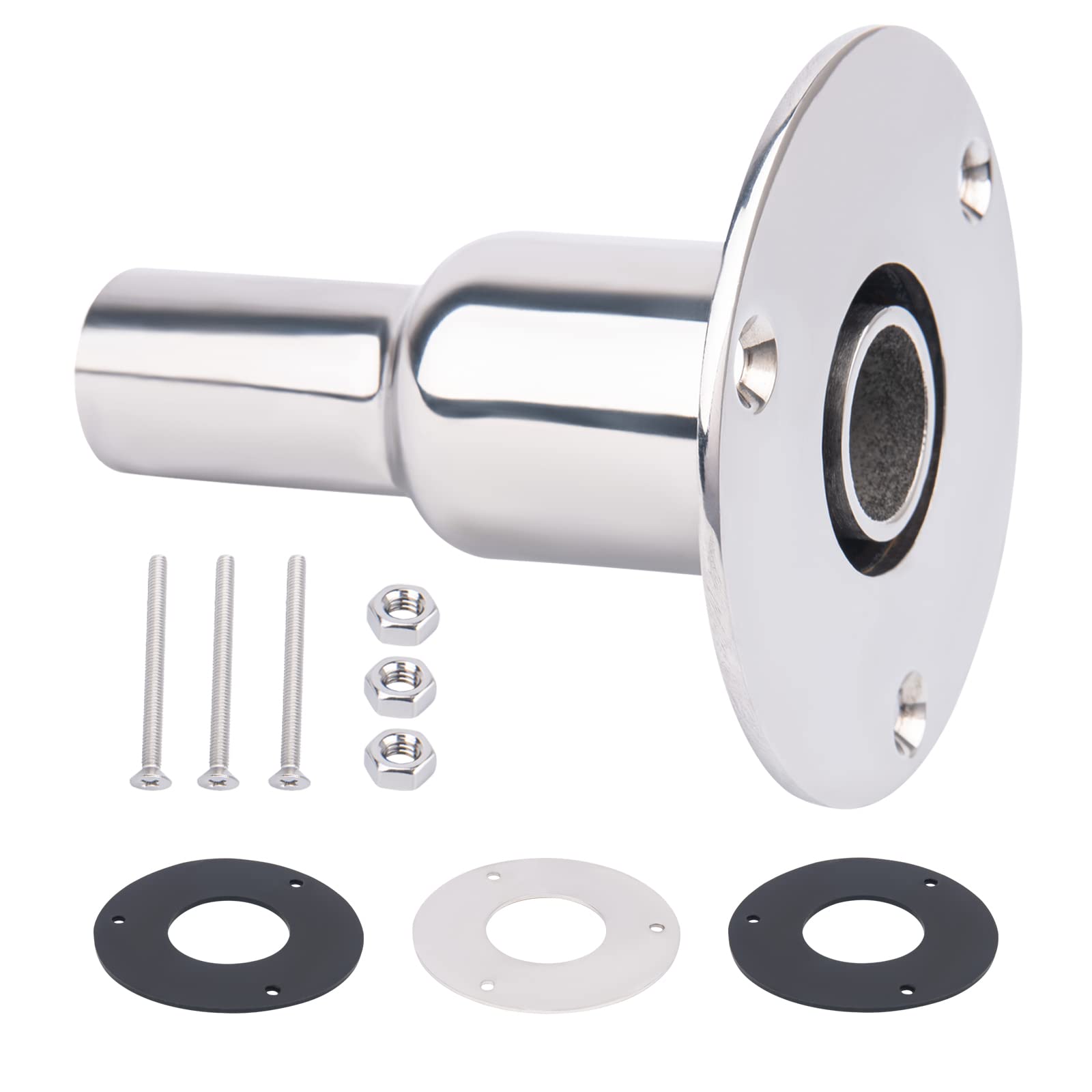
So far, so good. Except...
Frog&Puffin is constructed using a honeycomb of plastics and in some areas like the top deck marine plywood. Ideally, every drilled hole, even a screw should be epoxied or fiberglassed. As I write this post it is January and it is too cold to cure these compounds.
And so I tiptoe around the existing structures, attempting to arrange the systems to minimize the number of holes reuired, which is more difficult than it first appears.
I read once that there is nothing worse than a boat owner with a drill. It's true.
For instance there are devices that need to be mounted inside, on a bulkhead. A prime example is the victron multiplus.

It communicates with something called the cerbo gx, which coordinates the energy supplies (wind, solar, and shore power) and loads (autopilot, radar, radio, heat, and so on). This requires a nest of communication wires as well. Each energy load and energy source has a monitor, and often a command and control network which talks back to the cerbo gx. Also, there are capacities and temperature to measure. 440 gallons of fresh water, ??? gallons of waste water (it freaks me out that I don't know how large the holding tank is), the fuel tanks, and of course the batteries. Each of these things needs to be measured, and the data sent back to the cerbo gx.
An example of 'why' is the battery banks. The battery capacity, state of charge and temperature of both the air and the battery is used to determine how much (if any) energy the battery can supply or absorb. That then is relayed to the devices that supply and/or draw power.
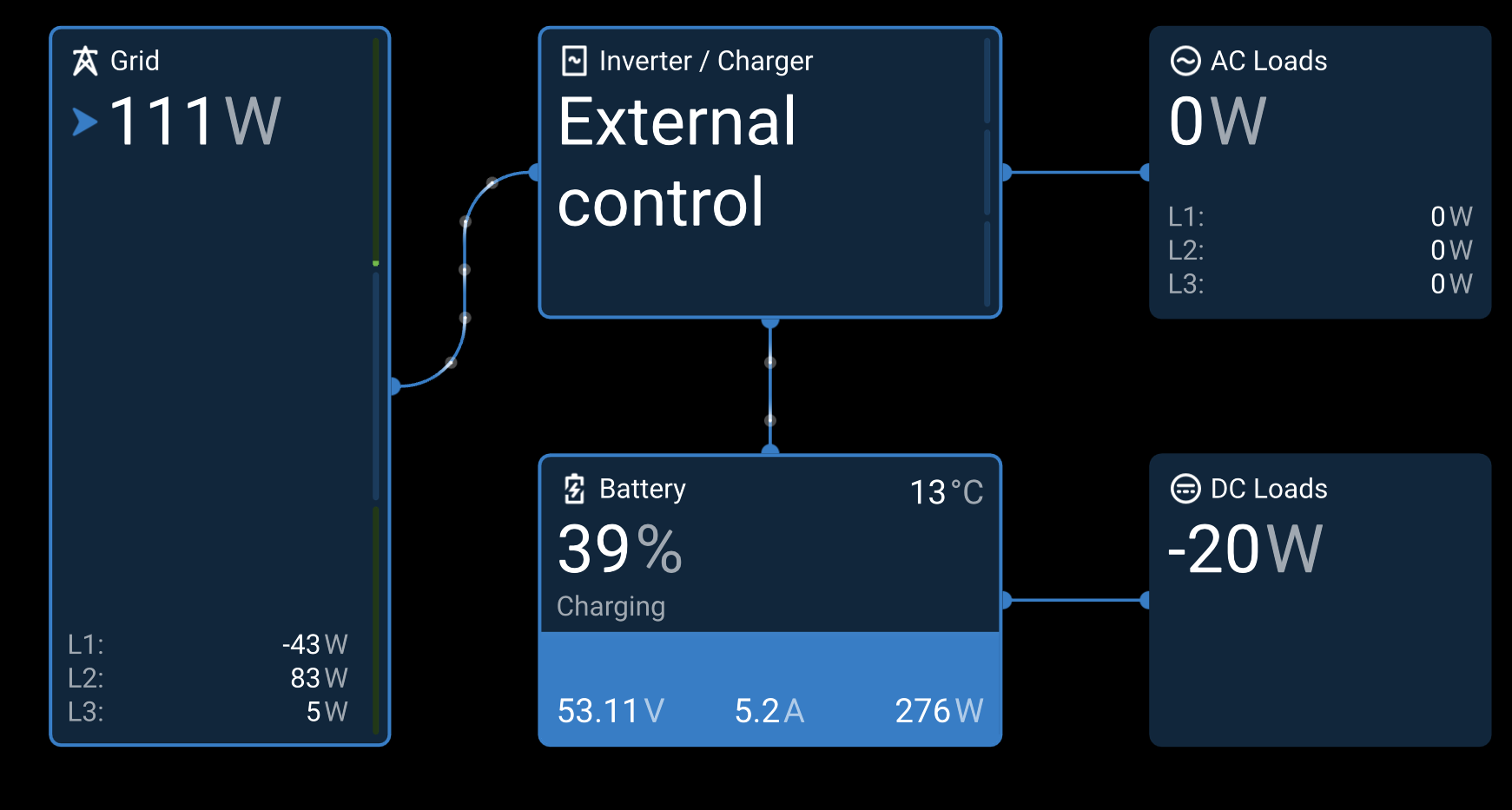
it's amazing really. The result gets summed up in an interface that looks like this.
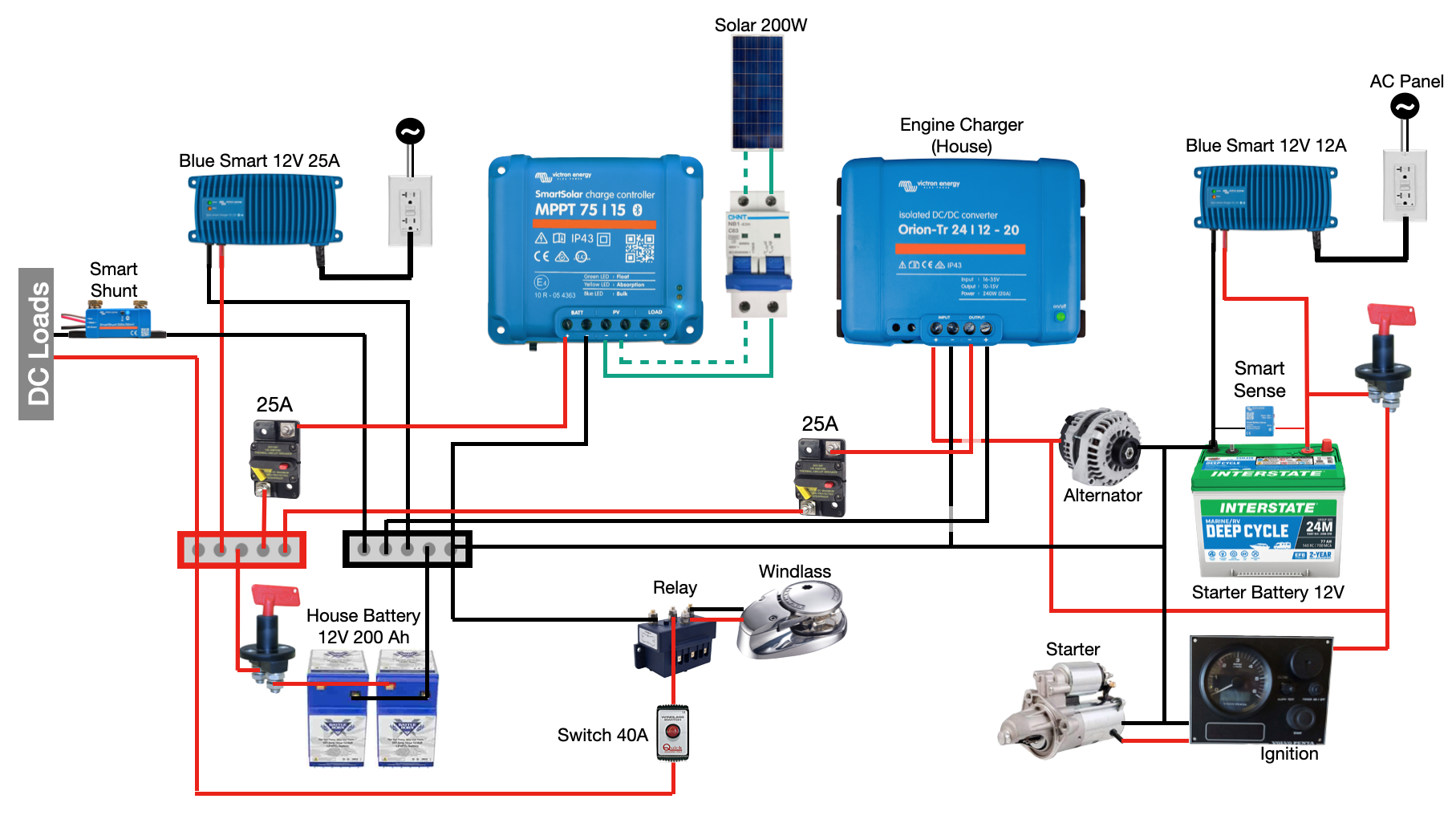
Physically, the layout of the components are much more complex. Below is a SIMPLE example of the physical layout of a minimal system. In this example all of the communications wires have been omitted.
All of these communications and power wiring are hard wired and the systems are scattered across two hulls, the salon, the cockpit and the decks. Everything must be secured against the pounding of waves. Imagine hitting a mass of water at 20 mph in your car. Every minute, for days on end.
Everything must be secure and water tight. Solution; Screws and epoxies.
Everything must communicate and have power. Solution; Cable glands and wire.
Everything must be within operating temperature. Solution; Ducting and raceways.
Every solution requres holes. Holes which can't be correctly sealed and/or treated until the hull and air temps are above 50, and ideally above 70. Months from now.
Today, after staring at the layout of the boat for days on end, I formulated a plan.
Everything possible will be mounted onto 1/2" thick PVC sheets epoxied onto some of the interior bulkheads. Sure, the epoxy won't cure perfectly. But it should be 'good enough' for a few months.
When the weather is warm enough for fiberglass and epoxy to cure correctly I will re-mount the equipment using screws and epoxies. The PVC sheets themselves will likely be fiberglassed for strength.
Two refits. The immediate refit, and the full refit.